Bitcoin ETF Investors Head for the Exits as BTC Slides Toward 73,000 Dollars
Spot bitcoin funds just had their worst week since June, the year's inflows have flipped to outflows, and a massive Binance hack plus rate-hike fears are piling on.

SECTION
Bitcoin, regulation and the money behind digital assets.
Spot bitcoin funds just had their worst week since June, the year's inflows have flipped to outflows, and a massive Binance hack plus rate-hike fears are piling on.
After a brutal first half, Bitcoin bounced off its late June low, but August has historically been the cruelest month on the crypto calendar.
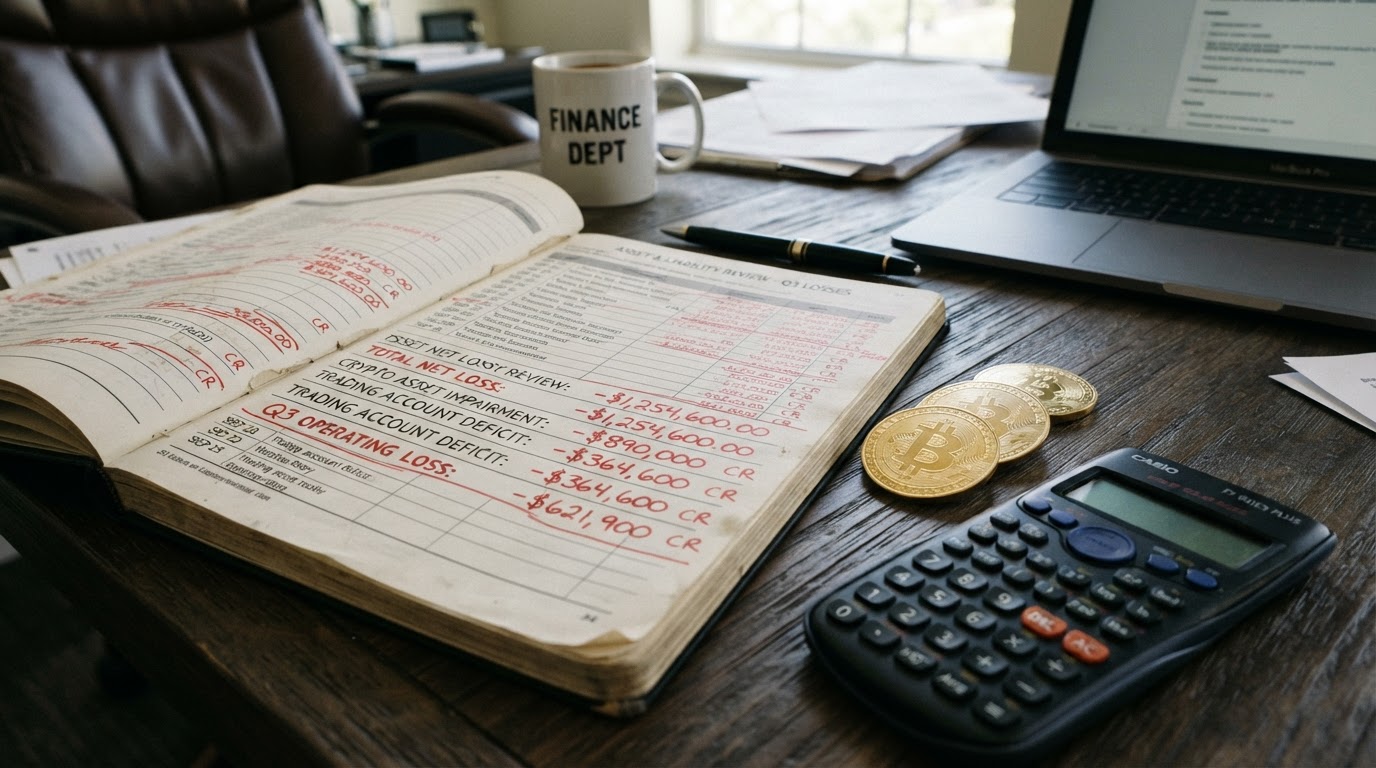
The company that swore it would never sell just sold, and the quarterly numbers show what happens when a leveraged Bitcoin bet meets a bear market.
The CLARITY Act sailed through the House a year ago, but as the August recess arrives the Senate has no floor vote scheduled and the odds of passage have collapsed.
The Kelp DAO and Drift Protocol exploits led a brutal stretch that drained close to one billion dollars, even as total theft fell sharply from last year.
New disclosures show the first family earned over a billion dollars from crypto in a year, while their firm seeks federal banking privileges from a regulator the president appointed.
Ether has lost about 65 percent from its peak while its ETFs bleed for a record 17 straight days and senior talent walks out of the foundation.
Billions fled the spot Bitcoin funds during the winter crash, the money is creeping back, and some of it is quietly rotating into XRP and Solana instead.
The latest data shows a majority zero emission energy mix and real grid benefits, but rising tariffs abroad and the AI land grab are rewriting the debate.
A year after the executive order, the government sits on 328,000 seized coins while Congress dithers and the buying plans remain purely theoretical.
Nine months after Congress passed the GENIUS Act, FinCEN, OFAC, the FDIC, and the OCC are writing the fine print that will decide who gets to issue digital dollars.
Three market maker firms allegedly faked crypto trading volume to pump prices and dump on retail, in a case built with help from Singapore police.
With production costs near $80,000 and Bitcoin under $70,000, the mining industry is dumping its treasuries and chasing $70 billion in AI contracts.
The House has already voted to block a Fed digital currency, the White House says it will sign, and now the Senate Banking Committee holds the fate of financial privacy in its hands.
Wall Street said this time was different, but Bitcoin's old boom and bust rhythm is back and it does not care about anyone's feelings.
Fairshake and its allied PACs enter the cycle with more money than almost any political operation in America, and both parties are lining up for a piece of it.
Washington has opened the door for digital assets in the $10 trillion retirement market just as Bitcoin reminds everyone it can drop 50 percent in a season.
The SEC chairman was grilled in the House over abandoned enforcement actions, including the quiet resolution of the Justin Sun case after Sun poured millions into a Trump family venture.
Companies that turned themselves into leveraged Bitcoin funds are drowning in unrealized losses, and the stock market has stopped paying extra for the privilege.
Texas became the first state to actually purchase bitcoin for a strategic reserve, and legislatures from New Hampshire to Arizona are writing the crypto rules Congress cannot finish.
Mike Selig took over a shrunken agency with a growing crypto mandate, and his first big move was inviting Gemini, Kraken, and Polymarket to the advisory table.